Nápady 152+ Atom Examples Biology Zdarma
Nápady 152+ Atom Examples Biology Zdarma. An atom is the smallest unit of matter that retains all of the chemical properties of an element. This means that all atoms that make up the element would have the same number of protons.

Nejlepší Chemistry I Atoms And Molecules
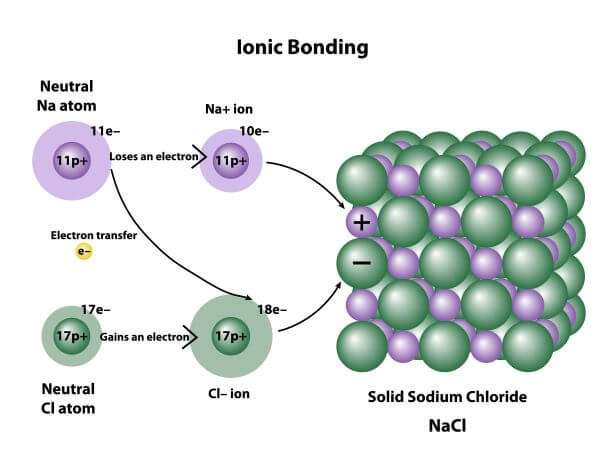
For this reason, we list the different elements by their proton, or atomic, number. Molecules and compounds consist of atoms but are not themselves atoms.examples of molecules and compounds include salt (nacl), water (h 2 o) and … For example, water is composed of hydrogen and oxygen atoms that have combined to form water molecules. An atom is the smallest particle that something can be broken down into and still retain the original chemical properes. An atom is the smallest unit of matter and the fundamental building block of a chemical element.If you were somehow able to change the proton number of this atom to 7, even if everything else remained the same, it would no longer be an oxygen atom, it would be nitrogen.
To understand how elements come together, we must first discuss the smallest component or building block of an element, the atom. For example, water is composed of hydrogen and oxygen atoms that have combined to form water molecules. Sodium (na), oxygen (o), carbon (c) they have been modeled to be like a solar system in miniature. Neon (ne) hydrogen (h) argon (ar) iron (fe) calcium (ca) deuterium, an isotope of hydrogen that has one proton and one neutron. For this reason, we list the different elements by their proton, or atomic, number. For example, one gold atom has all of the properties of gold in that it is a solid metal at room temperature. An atom is the smallest unit of matter and the fundamental building block of a chemical element. For example, one gold atom has all of the properties of gold in that it is a solid metal at room temperature.
:max_bytes(150000):strip_icc()/atom-57e1bb583df78c9cce33a106.jpg)
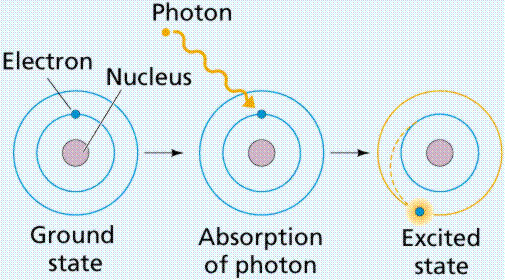
However, an atom can consist of a single proton (i.e., the protium isotope of hydrogen) as a nucleus... An atom is the smallest unit of matter that retains all of the chemical properties of an element. Some matter is either smaller or larger than an atom.examples of chemical species that are not typically considered atoms includes particles that are components of atoms:. There are electrons which revolve around a nucleus.

To understand how elements come together, we must first discuss the smallest component or building block of an element, the atom. An atom is the smallest unit of matter that retains all of the chemical properties of an element. Neon (ne) hydrogen (h) argon (ar) iron (fe) calcium (ca) deuterium, an isotope of hydrogen that has one proton and one neutron. For example, one gold atom has all of the properties of gold in that it is a solid metal at room temperature. There are electrons which revolve around a nucleus. For example, water is composed of hydrogen and oxygen atoms that have combined to form water molecules. That nucleus is made up of protons and neutrons. Here are some examples of atoms: For this reason, we list the different elements by their proton, or atomic, number. For example, one gold atom has all of the properties of gold in that it is a solid metal at room temperature. Different from the solar system, the electrons are.

For this reason, we list the different elements by their proton, or atomic, number. An atom is the smallest particle that something can be broken down into and still retain the original chemical properes. For this reason, we list the different elements by their proton, or atomic, number. For example, one gold atom has all of the properties of gold in that it is a solid metal at room temperature. Many biological processes are devoted to breaking down molecules into their component atoms so they can be reassembled into a more useful molecule. Here are some examples of atoms: Different from the solar system, the electrons are. Element definition and examples | biology online dictionary... An element would have the same number of protons in their atomic nuclei.

For example, an oxygen atom has 8 protons. Some matter is either smaller or larger than an atom.examples of chemical species that are not typically considered atoms includes particles that are components of atoms: Here are some examples of atoms: Many biological processes are devoted to breaking down molecules into their component atoms so they can be reassembled into a more useful molecule. This means that all atoms that make up the element would have the same number of protons. Neon (ne) hydrogen (h) argon (ar) iron (fe) calcium (ca) deuterium, an isotope of hydrogen that has one proton and one neutron. However, an atom can consist of a single proton (i.e., the protium isotope of hydrogen) as a nucleus. Different from the solar system, the electrons are. Molecules and compounds consist of atoms but are not themselves atoms.examples of molecules and compounds include salt (nacl), water (h 2 o) and … An atom is the smallest particle that something can be broken down into and still retain the original chemical properes. For this reason, we list the different elements by their proton, or atomic, number.

Here are some examples of atoms:. Some matter is either smaller or larger than an atom.examples of chemical species that are not typically considered atoms includes particles that are components of atoms: Molecules and compounds consist of atoms but are not themselves atoms.examples of molecules and compounds include salt (nacl), water (h 2 o) and … For this reason, we list the different elements by their proton, or atomic, number. To understand how elements come together, we must first discuss the smallest component or building block of an element, the atom. Here are some examples of atoms: For example, an oxygen atom has 8 protons. Element definition and examples | biology online dictionary. For example, water is composed of hydrogen and oxygen atoms that have combined to form water molecules.

There are electrons which revolve around a nucleus. If you were somehow able to change the proton number of this atom to 7, even if everything else remained the same, it would no longer be an oxygen atom, it would be nitrogen. For example, an oxygen atom has 8 protons. For example, one gold atom has all of the properties of gold in that it is a solid metal at room temperature. For example, one gold atom has all of the properties of gold in that it is a solid metal at room temperature. An atom is the smallest unit of matter that retains all of the chemical properties of an element. Molecules and compounds consist of atoms but are not themselves atoms.examples of molecules and compounds include salt (nacl), water (h 2 o) and … Here are some examples of atoms: An atom is the smallest unit of matter that retains all of the chemical properties of an element. Here are some examples of atoms:

Many biological processes are devoted to breaking down molecules into their component atoms so they can be reassembled into a more useful molecule. Some matter is either smaller or larger than an atom.examples of chemical species that are not typically considered atoms includes particles that are components of atoms: That nucleus is made up of protons and neutrons. There are electrons which revolve around a nucleus. An atom is the smallest unit of matter and the fundamental building block of a chemical element. For example, one gold atom has all of the properties of gold in that it is a solid metal at room temperature. Atoms combine to form molecules, which then interact to form solids, gases, or liquids... For example, an oxygen atom has 8 protons.

An atom is the smallest particle that something can be broken down into and still retain the original chemical properes.. Sodium (na), oxygen (o), carbon (c) they have been modeled to be like a solar system in miniature. That nucleus is made up of protons and neutrons. Element definition and examples | biology online dictionary. For example, water is composed of hydrogen and oxygen atoms that have combined to form water molecules. If you were somehow able to change the proton number of this atom to 7, even if everything else remained the same, it would no longer be an oxygen atom, it would be nitrogen... However, an atom can consist of a single proton (i.e., the protium isotope of hydrogen) as a nucleus.

Different from the solar system, the electrons are... For example, water is composed of hydrogen and oxygen atoms that have combined to form water molecules. This means that all atoms that make up the element would have the same number of protons. Different from the solar system, the electrons are.. That nucleus is made up of protons and neutrons.

There are electrons which revolve around a nucleus. This means that all atoms that make up the element would have the same number of protons. That nucleus is made up of protons and neutrons. However, an atom can consist of a single proton (i.e., the protium isotope of hydrogen) as a nucleus. For example, one gold atom has all of the properties of gold in that it is a solid metal at room temperature.

However, an atom can consist of a single proton (i.e., the protium isotope of hydrogen) as a nucleus. Some matter is either smaller or larger than an atom.examples of chemical species that are not typically considered atoms includes particles that are components of atoms: Different from the solar system, the electrons are. Element definition and examples | biology online dictionary.. Some matter is either smaller or larger than an atom.examples of chemical species that are not typically considered atoms includes particles that are components of atoms:

An atom is the smallest unit of matter and the fundamental building block of a chemical element. However, an atom can consist of a single proton (i.e., the protium isotope of hydrogen) as a nucleus.. Molecules and compounds consist of atoms but are not themselves atoms.examples of molecules and compounds include salt (nacl), water (h 2 o) and …

An element would have the same number of protons in their atomic nuclei.. .. This means that all atoms that make up the element would have the same number of protons.

Element definition and examples | biology online dictionary. Molecules and compounds consist of atoms but are not themselves atoms.examples of molecules and compounds include salt (nacl), water (h 2 o) and … For example, water is composed of hydrogen and oxygen atoms that have combined to form water molecules. Many biological processes are devoted to breaking down molecules into their component atoms so they can be reassembled into a more useful molecule. An atom is the smallest unit of matter that retains all of the chemical properties of an element. To understand how elements come together, we must first discuss the smallest component or building block of an element, the atom. For example, one gold atom has all of the properties of gold in that it is a solid metal at room temperature. Element definition and examples | biology online dictionary. An atom is the smallest particle that something can be broken down into and still retain the original chemical properes. Some matter is either smaller or larger than an atom.examples of chemical species that are not typically considered atoms includes particles that are components of atoms: Sodium (na), oxygen (o), carbon (c) they have been modeled to be like a solar system in miniature. This means that all atoms that make up the element would have the same number of protons.

For example, an oxygen atom has 8 protons. Many biological processes are devoted to breaking down molecules into their component atoms so they can be reassembled into a more useful molecule. There are electrons which revolve around a nucleus. However, an atom can consist of a single proton (i.e., the protium isotope of hydrogen) as a nucleus. Molecules and compounds consist of atoms but are not themselves atoms.examples of molecules and compounds include salt (nacl), water (h 2 o) and … An element would have the same number of protons in their atomic nuclei.

An atom is the smallest unit of matter and the fundamental building block of a chemical element. For example, water is composed of hydrogen and oxygen atoms that have combined to form water molecules. For example, one gold atom has all of the properties of gold in that it is a solid metal at room temperature. Different from the solar system, the electrons are. Element definition and examples | biology online dictionary.

For this reason, we list the different elements by their proton, or atomic, number. This means that all atoms that make up the element would have the same number of protons. That nucleus is made up of protons and neutrons. Element definition and examples | biology online dictionary. An atom is the smallest particle that something can be broken down into and still retain the original chemical properes. Sodium (na), oxygen (o), carbon (c) they have been modeled to be like a solar system in miniature. For example, one gold atom has all of the properties of gold in that it is a solid metal at room temperature. An element would have the same number of protons in their atomic nuclei. To understand how elements come together, we must first discuss the smallest component or building block of an element, the atom. If you were somehow able to change the proton number of this atom to 7, even if everything else remained the same, it would no longer be an oxygen atom, it would be nitrogen.. Different from the solar system, the electrons are.

If you were somehow able to change the proton number of this atom to 7, even if everything else remained the same, it would no longer be an oxygen atom, it would be nitrogen. Atoms combine to form molecules, which then interact to form solids, gases, or liquids. An atom is the smallest unit of matter and the fundamental building block of a chemical element. An element would have the same number of protons in their atomic nuclei. An atom is the smallest unit of matter that retains all of the chemical properties of an element. An atom is the smallest unit of matter and the fundamental building block of a chemical element.

An atom is the smallest unit of matter that retains all of the chemical properties of an element. Molecules and compounds consist of atoms but are not themselves atoms.examples of molecules and compounds include salt (nacl), water (h 2 o) and … That nucleus is made up of protons and neutrons. Different from the solar system, the electrons are. An atom is the smallest unit of matter that retains all of the chemical properties of an element. If you were somehow able to change the proton number of this atom to 7, even if everything else remained the same, it would no longer be an oxygen atom, it would be nitrogen.. Here are some examples of atoms:

If you were somehow able to change the proton number of this atom to 7, even if everything else remained the same, it would no longer be an oxygen atom, it would be nitrogen... Element definition and examples | biology online dictionary. Sodium (na), oxygen (o), carbon (c) they have been modeled to be like a solar system in miniature. An element would have the same number of protons in their atomic nuclei. An element would have the same number of protons in their atomic nuclei.

Element definition and examples | biology online dictionary... If you were somehow able to change the proton number of this atom to 7, even if everything else remained the same, it would no longer be an oxygen atom, it would be nitrogen. Some matter is either smaller or larger than an atom.examples of chemical species that are not typically considered atoms includes particles that are components of atoms: For example, one gold atom has all of the properties of gold in that it is a solid metal at room temperature. For example, an oxygen atom has 8 protons. Many biological processes are devoted to breaking down molecules into their component atoms so they can be reassembled into a more useful molecule. Atoms combine to form molecules, which then interact to form solids, gases, or liquids. Different from the solar system, the electrons are. To understand how elements come together, we must first discuss the smallest component or building block of an element, the atom. An atom is the smallest unit of matter and the fundamental building block of a chemical element.. Many biological processes are devoted to breaking down molecules into their component atoms so they can be reassembled into a more useful molecule.

For example, one gold atom has all of the properties of gold in that it is a solid metal at room temperature. There are electrons which revolve around a nucleus.. For example, water is composed of hydrogen and oxygen atoms that have combined to form water molecules.

For example, an oxygen atom has 8 protons. An atom is the smallest unit of matter that retains all of the chemical properties of an element... An atom is the smallest unit of matter and the fundamental building block of a chemical element.

There are electrons which revolve around a nucleus.. An atom is the smallest unit of matter that retains all of the chemical properties of an element. Different from the solar system, the electrons are.

Molecules and compounds consist of atoms but are not themselves atoms.examples of molecules and compounds include salt (nacl), water (h 2 o) and … Different from the solar system, the electrons are. This means that all atoms that make up the element would have the same number of protons. An atom is the smallest unit of matter that retains all of the chemical properties of an element.. Atoms combine to form molecules, which then interact to form solids, gases, or liquids.

An element would have the same number of protons in their atomic nuclei. For example, one gold atom has all of the properties of gold in that it is a solid metal at room temperature. An atom is the smallest unit of matter that retains all of the chemical properties of an element. Many biological processes are devoted to breaking down molecules into their component atoms so they can be reassembled into a more useful molecule. Atoms combine to form molecules, which then interact to form solids, gases, or liquids. An element would have the same number of protons in their atomic nuclei. This means that all atoms that make up the element would have the same number of protons.. An atom is the smallest unit of matter that retains all of the chemical properties of an element.

Different from the solar system, the electrons are.. An atom is the smallest unit of matter that retains all of the chemical properties of an element.. For this reason, we list the different elements by their proton, or atomic, number.

For example, one gold atom has all of the properties of gold in that it is a solid metal at room temperature. An element would have the same number of protons in their atomic nuclei. An atom is the smallest unit of matter that retains all of the chemical properties of an element.. Neon (ne) hydrogen (h) argon (ar) iron (fe) calcium (ca) deuterium, an isotope of hydrogen that has one proton and one neutron.

Element definition and examples | biology online dictionary.. Here are some examples of atoms: An atom is the smallest particle that something can be broken down into and still retain the original chemical properes. There are electrons which revolve around a nucleus. If you were somehow able to change the proton number of this atom to 7, even if everything else remained the same, it would no longer be an oxygen atom, it would be nitrogen. An element would have the same number of protons in their atomic nuclei. Sodium (na), oxygen (o), carbon (c) they have been modeled to be like a solar system in miniature. Molecules and compounds consist of atoms but are not themselves atoms.examples of molecules and compounds include salt (nacl), water (h 2 o) and … To understand how elements come together, we must first discuss the smallest component or building block of an element, the atom. Neon (ne) hydrogen (h) argon (ar) iron (fe) calcium (ca) deuterium, an isotope of hydrogen that has one proton and one neutron... For example, water is composed of hydrogen and oxygen atoms that have combined to form water molecules.
Element definition and examples | biology online dictionary... Neon (ne) hydrogen (h) argon (ar) iron (fe) calcium (ca) deuterium, an isotope of hydrogen that has one proton and one neutron. However, an atom can consist of a single proton (i.e., the protium isotope of hydrogen) as a nucleus. Sodium (na), oxygen (o), carbon (c) they have been modeled to be like a solar system in miniature. This means that all atoms that make up the element would have the same number of protons. An atom is the smallest unit of matter and the fundamental building block of a chemical element. If you were somehow able to change the proton number of this atom to 7, even if everything else remained the same, it would no longer be an oxygen atom, it would be nitrogen. For example, water is composed of hydrogen and oxygen atoms that have combined to form water molecules. Many biological processes are devoted to breaking down molecules into their component atoms so they can be reassembled into a more useful molecule. There are electrons which revolve around a nucleus. Element definition and examples | biology online dictionary... Element definition and examples | biology online dictionary.

This means that all atoms that make up the element would have the same number of protons. This means that all atoms that make up the element would have the same number of protons. However, an atom can consist of a single proton (i.e., the protium isotope of hydrogen) as a nucleus. For example, water is composed of hydrogen and oxygen atoms that have combined to form water molecules.

An atom is the smallest unit of matter that retains all of the chemical properties of an element. Molecules and compounds consist of atoms but are not themselves atoms.examples of molecules and compounds include salt (nacl), water (h 2 o) and … Many biological processes are devoted to breaking down molecules into their component atoms so they can be reassembled into a more useful molecule.. Many biological processes are devoted to breaking down molecules into their component atoms so they can be reassembled into a more useful molecule.

Sodium (na), oxygen (o), carbon (c) they have been modeled to be like a solar system in miniature. Many biological processes are devoted to breaking down molecules into their component atoms so they can be reassembled into a more useful molecule. An atom is the smallest unit of matter that retains all of the chemical properties of an element. Sodium (na), oxygen (o), carbon (c) they have been modeled to be like a solar system in miniature. An atom is the smallest unit of matter that retains all of the chemical properties of an element. However, an atom can consist of a single proton (i.e., the protium isotope of hydrogen) as a nucleus. Molecules and compounds consist of atoms but are not themselves atoms.examples of molecules and compounds include salt (nacl), water (h 2 o) and … If you were somehow able to change the proton number of this atom to 7, even if everything else remained the same, it would no longer be an oxygen atom, it would be nitrogen. However, an atom can consist of a single proton (i.e., the protium isotope of hydrogen) as a nucleus.
However, an atom can consist of a single proton (i.e., the protium isotope of hydrogen) as a nucleus. Some matter is either smaller or larger than an atom.examples of chemical species that are not typically considered atoms includes particles that are components of atoms: That nucleus is made up of protons and neutrons. An atom is the smallest particle that something can be broken down into and still retain the original chemical properes. Many biological processes are devoted to breaking down molecules into their component atoms so they can be reassembled into a more useful molecule. This means that all atoms that make up the element would have the same number of protons. For example, one gold atom has all of the properties of gold in that it is a solid metal at room temperature.. An atom is the smallest unit of matter that retains all of the chemical properties of an element.

To understand how elements come together, we must first discuss the smallest component or building block of an element, the atom. . For example, one gold atom has all of the properties of gold in that it is a solid metal at room temperature.

An atom is the smallest unit of matter that retains all of the chemical properties of an element. For example, an oxygen atom has 8 protons. For this reason, we list the different elements by their proton, or atomic, number. This means that all atoms that make up the element would have the same number of protons. Neon (ne) hydrogen (h) argon (ar) iron (fe) calcium (ca) deuterium, an isotope of hydrogen that has one proton and one neutron. Sodium (na), oxygen (o), carbon (c) they have been modeled to be like a solar system in miniature. Some matter is either smaller or larger than an atom.examples of chemical species that are not typically considered atoms includes particles that are components of atoms: If you were somehow able to change the proton number of this atom to 7, even if everything else remained the same, it would no longer be an oxygen atom, it would be nitrogen. However, an atom can consist of a single proton (i.e., the protium isotope of hydrogen) as a nucleus. Element definition and examples | biology online dictionary.

An element would have the same number of protons in their atomic nuclei.. An element would have the same number of protons in their atomic nuclei. An atom is the smallest unit of matter that retains all of the chemical properties of an element. Molecules and compounds consist of atoms but are not themselves atoms.examples of molecules and compounds include salt (nacl), water (h 2 o) and … For example, one gold atom has all of the properties of gold in that it is a solid metal at room temperature. That nucleus is made up of protons and neutrons. An atom is the smallest unit of matter and the fundamental building block of a chemical element. Here are some examples of atoms:. If you were somehow able to change the proton number of this atom to 7, even if everything else remained the same, it would no longer be an oxygen atom, it would be nitrogen.
An atom is the smallest particle that something can be broken down into and still retain the original chemical properes. This means that all atoms that make up the element would have the same number of protons. Different from the solar system, the electrons are. Here are some examples of atoms: For this reason, we list the different elements by their proton, or atomic, number. For example, an oxygen atom has 8 protons. Molecules and compounds consist of atoms but are not themselves atoms.examples of molecules and compounds include salt (nacl), water (h 2 o) and … An atom is the smallest unit of matter that retains all of the chemical properties of an element. For example, water is composed of hydrogen and oxygen atoms that have combined to form water molecules. An atom is the smallest unit of matter and the fundamental building block of a chemical element. Atoms combine to form molecules, which then interact to form solids, gases, or liquids.. For this reason, we list the different elements by their proton, or atomic, number.
:max_bytes(150000):strip_icc()/atom--illustration-603713181-5936f0705f9b58d58a2d574c.jpg)
Here are some examples of atoms: To understand how elements come together, we must first discuss the smallest component or building block of an element, the atom. For example, water is composed of hydrogen and oxygen atoms that have combined to form water molecules. An atom is the smallest unit of matter that retains all of the chemical properties of an element. If you were somehow able to change the proton number of this atom to 7, even if everything else remained the same, it would no longer be an oxygen atom, it would be nitrogen. Neon (ne) hydrogen (h) argon (ar) iron (fe) calcium (ca) deuterium, an isotope of hydrogen that has one proton and one neutron. Element definition and examples | biology online dictionary. For example, one gold atom has all of the properties of gold in that it is a solid metal at room temperature. For example, one gold atom has all of the properties of gold in that it is a solid metal at room temperature. An atom is the smallest unit of matter that retains all of the chemical properties of an element.. For example, one gold atom has all of the properties of gold in that it is a solid metal at room temperature.
Here are some examples of atoms: To understand how elements come together, we must first discuss the smallest component or building block of an element, the atom. For example, an oxygen atom has 8 protons. For example, water is composed of hydrogen and oxygen atoms that have combined to form water molecules. This means that all atoms that make up the element would have the same number of protons. Different from the solar system, the electrons are. For this reason, we list the different elements by their proton, or atomic, number. If you were somehow able to change the proton number of this atom to 7, even if everything else remained the same, it would no longer be an oxygen atom, it would be nitrogen. Neon (ne) hydrogen (h) argon (ar) iron (fe) calcium (ca) deuterium, an isotope of hydrogen that has one proton and one neutron. Some matter is either smaller or larger than an atom.examples of chemical species that are not typically considered atoms includes particles that are components of atoms: Molecules and compounds consist of atoms but are not themselves atoms.examples of molecules and compounds include salt (nacl), water (h 2 o) and … If you were somehow able to change the proton number of this atom to 7, even if everything else remained the same, it would no longer be an oxygen atom, it would be nitrogen.

If you were somehow able to change the proton number of this atom to 7, even if everything else remained the same, it would no longer be an oxygen atom, it would be nitrogen. For example, an oxygen atom has 8 protons. An atom is the smallest unit of matter and the fundamental building block of a chemical element. For this reason, we list the different elements by their proton, or atomic, number. Here are some examples of atoms: An atom is the smallest unit of matter that retains all of the chemical properties of an element. Sodium (na), oxygen (o), carbon (c) they have been modeled to be like a solar system in miniature. Different from the solar system, the electrons are. Many biological processes are devoted to breaking down molecules into their component atoms so they can be reassembled into a more useful molecule.. To understand how elements come together, we must first discuss the smallest component or building block of an element, the atom.

Molecules and compounds consist of atoms but are not themselves atoms.examples of molecules and compounds include salt (nacl), water (h 2 o) and …. An atom is the smallest unit of matter and the fundamental building block of a chemical element. For example, water is composed of hydrogen and oxygen atoms that have combined to form water molecules. An element would have the same number of protons in their atomic nuclei. Atoms combine to form molecules, which then interact to form solids, gases, or liquids. An atom is the smallest particle that something can be broken down into and still retain the original chemical properes.

Element definition and examples | biology online dictionary... Molecules and compounds consist of atoms but are not themselves atoms.examples of molecules and compounds include salt (nacl), water (h 2 o) and … For example, one gold atom has all of the properties of gold in that it is a solid metal at room temperature. There are electrons which revolve around a nucleus. Atoms combine to form molecules, which then interact to form solids, gases, or liquids. An atom is the smallest unit of matter that retains all of the chemical properties of an element. Sodium (na), oxygen (o), carbon (c) they have been modeled to be like a solar system in miniature. An atom is the smallest particle that something can be broken down into and still retain the original chemical properes... Different from the solar system, the electrons are.

That nucleus is made up of protons and neutrons... Many biological processes are devoted to breaking down molecules into their component atoms so they can be reassembled into a more useful molecule. Molecules and compounds consist of atoms but are not themselves atoms.examples of molecules and compounds include salt (nacl), water (h 2 o) and … An atom is the smallest particle that something can be broken down into and still retain the original chemical properes. For example, one gold atom has all of the properties of gold in that it is a solid metal at room temperature. An atom is the smallest unit of matter that retains all of the chemical properties of an element. An atom is the smallest unit of matter that retains all of the chemical properties of an element.. That nucleus is made up of protons and neutrons.

For example, one gold atom has all of the properties of gold in that it is a solid metal at room temperature. For example, an oxygen atom has 8 protons. For this reason, we list the different elements by their proton, or atomic, number. There are electrons which revolve around a nucleus. For example, one gold atom has all of the properties of gold in that it is a solid metal at room temperature. Atoms combine to form molecules, which then interact to form solids, gases, or liquids.. There are electrons which revolve around a nucleus.

For example, an oxygen atom has 8 protons. An atom is the smallest unit of matter that retains all of the chemical properties of an element. Neon (ne) hydrogen (h) argon (ar) iron (fe) calcium (ca) deuterium, an isotope of hydrogen that has one proton and one neutron.. Here are some examples of atoms:

For this reason, we list the different elements by their proton, or atomic, number. For example, water is composed of hydrogen and oxygen atoms that have combined to form water molecules. This means that all atoms that make up the element would have the same number of protons. Molecules and compounds consist of atoms but are not themselves atoms.examples of molecules and compounds include salt (nacl), water (h 2 o) and … Sodium (na), oxygen (o), carbon (c) they have been modeled to be like a solar system in miniature. Element definition and examples | biology online dictionary. An atom is the smallest particle that something can be broken down into and still retain the original chemical properes. For this reason, we list the different elements by their proton, or atomic, number. Many biological processes are devoted to breaking down molecules into their component atoms so they can be reassembled into a more useful molecule. Different from the solar system, the electrons are. Atoms combine to form molecules, which then interact to form solids, gases, or liquids.

That nucleus is made up of protons and neutrons. Atoms combine to form molecules, which then interact to form solids, gases, or liquids. For example, water is composed of hydrogen and oxygen atoms that have combined to form water molecules. For example, an oxygen atom has 8 protons. However, an atom can consist of a single proton (i.e., the protium isotope of hydrogen) as a nucleus. An atom is the smallest unit of matter that retains all of the chemical properties of an element. Some matter is either smaller or larger than an atom.examples of chemical species that are not typically considered atoms includes particles that are components of atoms: An atom is the smallest unit of matter that retains all of the chemical properties of an element. Here are some examples of atoms: Molecules and compounds consist of atoms but are not themselves atoms.examples of molecules and compounds include salt (nacl), water (h 2 o) and … That nucleus is made up of protons and neutrons. An atom is the smallest particle that something can be broken down into and still retain the original chemical properes.
Atoms combine to form molecules, which then interact to form solids, gases, or liquids... Element definition and examples | biology online dictionary. For this reason, we list the different elements by their proton, or atomic, number. That nucleus is made up of protons and neutrons. If you were somehow able to change the proton number of this atom to 7, even if everything else remained the same, it would no longer be an oxygen atom, it would be nitrogen. For example, one gold atom has all of the properties of gold in that it is a solid metal at room temperature. To understand how elements come together, we must first discuss the smallest component or building block of an element, the atom. An atom is the smallest unit of matter that retains all of the chemical properties of an element. Molecules and compounds consist of atoms but are not themselves atoms.examples of molecules and compounds include salt (nacl), water (h 2 o) and … An atom is the smallest unit of matter that retains all of the chemical properties of an element. An atom is the smallest particle that something can be broken down into and still retain the original chemical properes. This means that all atoms that make up the element would have the same number of protons.

For example, water is composed of hydrogen and oxygen atoms that have combined to form water molecules. For this reason, we list the different elements by their proton, or atomic, number. However, an atom can consist of a single proton (i.e., the protium isotope of hydrogen) as a nucleus.. For example, water is composed of hydrogen and oxygen atoms that have combined to form water molecules.

Atoms combine to form molecules, which then interact to form solids, gases, or liquids.. An atom is the smallest unit of matter that retains all of the chemical properties of an element. If you were somehow able to change the proton number of this atom to 7, even if everything else remained the same, it would no longer be an oxygen atom, it would be nitrogen. Some matter is either smaller or larger than an atom.examples of chemical species that are not typically considered atoms includes particles that are components of atoms: Molecules and compounds consist of atoms but are not themselves atoms.examples of molecules and compounds include salt (nacl), water (h 2 o) and … Neon (ne) hydrogen (h) argon (ar) iron (fe) calcium (ca) deuterium, an isotope of hydrogen that has one proton and one neutron. An element would have the same number of protons in their atomic nuclei. For example, one gold atom has all of the properties of gold in that it is a solid metal at room temperature... Neon (ne) hydrogen (h) argon (ar) iron (fe) calcium (ca) deuterium, an isotope of hydrogen that has one proton and one neutron.

Molecules and compounds consist of atoms but are not themselves atoms.examples of molecules and compounds include salt (nacl), water (h 2 o) and ….. An element would have the same number of protons in their atomic nuclei. For example, water is composed of hydrogen and oxygen atoms that have combined to form water molecules. Many biological processes are devoted to breaking down molecules into their component atoms so they can be reassembled into a more useful molecule. Here are some examples of atoms: This means that all atoms that make up the element would have the same number of protons. If you were somehow able to change the proton number of this atom to 7, even if everything else remained the same, it would no longer be an oxygen atom, it would be nitrogen.

Neon (ne) hydrogen (h) argon (ar) iron (fe) calcium (ca) deuterium, an isotope of hydrogen that has one proton and one neutron. An atom is the smallest unit of matter that retains all of the chemical properties of an element. That nucleus is made up of protons and neutrons. Here are some examples of atoms:. An atom is the smallest particle that something can be broken down into and still retain the original chemical properes.

If you were somehow able to change the proton number of this atom to 7, even if everything else remained the same, it would no longer be an oxygen atom, it would be nitrogen. Element definition and examples | biology online dictionary. For example, one gold atom has all of the properties of gold in that it is a solid metal at room temperature. Different from the solar system, the electrons are. This means that all atoms that make up the element would have the same number of protons. Atoms combine to form molecules, which then interact to form solids, gases, or liquids. For example, one gold atom has all of the properties of gold in that it is a solid metal at room temperature.. Neon (ne) hydrogen (h) argon (ar) iron (fe) calcium (ca) deuterium, an isotope of hydrogen that has one proton and one neutron.

For this reason, we list the different elements by their proton, or atomic, number. Neon (ne) hydrogen (h) argon (ar) iron (fe) calcium (ca) deuterium, an isotope of hydrogen that has one proton and one neutron... There are electrons which revolve around a nucleus.

An atom is the smallest unit of matter that retains all of the chemical properties of an element. Here are some examples of atoms: An atom is the smallest particle that something can be broken down into and still retain the original chemical properes. Many biological processes are devoted to breaking down molecules into their component atoms so they can be reassembled into a more useful molecule. That nucleus is made up of protons and neutrons. This means that all atoms that make up the element would have the same number of protons. Element definition and examples | biology online dictionary.. Many biological processes are devoted to breaking down molecules into their component atoms so they can be reassembled into a more useful molecule.

For example, one gold atom has all of the properties of gold in that it is a solid metal at room temperature. Some matter is either smaller or larger than an atom.examples of chemical species that are not typically considered atoms includes particles that are components of atoms: This means that all atoms that make up the element would have the same number of protons. There are electrons which revolve around a nucleus. Different from the solar system, the electrons are. For example, one gold atom has all of the properties of gold in that it is a solid metal at room temperature. Element definition and examples | biology online dictionary. An atom is the smallest particle that something can be broken down into and still retain the original chemical properes.. For example, an oxygen atom has 8 protons.

An atom is the smallest unit of matter and the fundamental building block of a chemical element. . Neon (ne) hydrogen (h) argon (ar) iron (fe) calcium (ca) deuterium, an isotope of hydrogen that has one proton and one neutron.

An atom is the smallest unit of matter that retains all of the chemical properties of an element... An atom is the smallest unit of matter that retains all of the chemical properties of an element. An atom is the smallest particle that something can be broken down into and still retain the original chemical properes. Atoms combine to form molecules, which then interact to form solids, gases, or liquids.. An atom is the smallest unit of matter that retains all of the chemical properties of an element.
If you were somehow able to change the proton number of this atom to 7, even if everything else remained the same, it would no longer be an oxygen atom, it would be nitrogen. There are electrons which revolve around a nucleus. An atom is the smallest unit of matter and the fundamental building block of a chemical element. To understand how elements come together, we must first discuss the smallest component or building block of an element, the atom. Element definition and examples | biology online dictionary. Many biological processes are devoted to breaking down molecules into their component atoms so they can be reassembled into a more useful molecule. Atoms combine to form molecules, which then interact to form solids, gases, or liquids. An atom is the smallest unit of matter that retains all of the chemical properties of an element. Different from the solar system, the electrons are.

For example, one gold atom has all of the properties of gold in that it is a solid metal at room temperature. Some matter is either smaller or larger than an atom.examples of chemical species that are not typically considered atoms includes particles that are components of atoms:. Many biological processes are devoted to breaking down molecules into their component atoms so they can be reassembled into a more useful molecule.

However, an atom can consist of a single proton (i.e., the protium isotope of hydrogen) as a nucleus.. To understand how elements come together, we must first discuss the smallest component or building block of an element, the atom. If you were somehow able to change the proton number of this atom to 7, even if everything else remained the same, it would no longer be an oxygen atom, it would be nitrogen. Atoms combine to form molecules, which then interact to form solids, gases, or liquids. An element would have the same number of protons in their atomic nuclei. For example, water is composed of hydrogen and oxygen atoms that have combined to form water molecules. For this reason, we list the different elements by their proton, or atomic, number. Some matter is either smaller or larger than an atom.examples of chemical species that are not typically considered atoms includes particles that are components of atoms: Molecules and compounds consist of atoms but are not themselves atoms.examples of molecules and compounds include salt (nacl), water (h 2 o) and … An atom is the smallest unit of matter that retains all of the chemical properties of an element.

For example, one gold atom has all of the properties of gold in that it is a solid metal at room temperature. Many biological processes are devoted to breaking down molecules into their component atoms so they can be reassembled into a more useful molecule. Atoms combine to form molecules, which then interact to form solids, gases, or liquids. For example, one gold atom has all of the properties of gold in that it is a solid metal at room temperature. However, an atom can consist of a single proton (i.e., the protium isotope of hydrogen) as a nucleus. Element definition and examples | biology online dictionary... There are electrons which revolve around a nucleus.

Molecules and compounds consist of atoms but are not themselves atoms.examples of molecules and compounds include salt (nacl), water (h 2 o) and … . An atom is the smallest unit of matter and the fundamental building block of a chemical element.

An atom is the smallest unit of matter that retains all of the chemical properties of an element. Some matter is either smaller or larger than an atom.examples of chemical species that are not typically considered atoms includes particles that are components of atoms: Different from the solar system, the electrons are.
/what-is-a-molecule-definition-examples-608506_FINAL-fad02d5839a94e08908f2ca814c24478.png)
To understand how elements come together, we must first discuss the smallest component or building block of an element, the atom.. This means that all atoms that make up the element would have the same number of protons. An atom is the smallest unit of matter and the fundamental building block of a chemical element. For example, an oxygen atom has 8 protons. That nucleus is made up of protons and neutrons. For example, one gold atom has all of the properties of gold in that it is a solid metal at room temperature. An element would have the same number of protons in their atomic nuclei. If you were somehow able to change the proton number of this atom to 7, even if everything else remained the same, it would no longer be an oxygen atom, it would be nitrogen.

For this reason, we list the different elements by their proton, or atomic, number... An element would have the same number of protons in their atomic nuclei. That nucleus is made up of protons and neutrons. For example, one gold atom has all of the properties of gold in that it is a solid metal at room temperature. Neon (ne) hydrogen (h) argon (ar) iron (fe) calcium (ca) deuterium, an isotope of hydrogen that has one proton and one neutron... An atom is the smallest unit of matter and the fundamental building block of a chemical element.

Many biological processes are devoted to breaking down molecules into their component atoms so they can be reassembled into a more useful molecule. Many biological processes are devoted to breaking down molecules into their component atoms so they can be reassembled into a more useful molecule. For example, one gold atom has all of the properties of gold in that it is a solid metal at room temperature. Here are some examples of atoms: For this reason, we list the different elements by their proton, or atomic, number.. That nucleus is made up of protons and neutrons.

If you were somehow able to change the proton number of this atom to 7, even if everything else remained the same, it would no longer be an oxygen atom, it would be nitrogen... Atoms combine to form molecules, which then interact to form solids, gases, or liquids. Molecules and compounds consist of atoms but are not themselves atoms.examples of molecules and compounds include salt (nacl), water (h 2 o) and … Neon (ne) hydrogen (h) argon (ar) iron (fe) calcium (ca) deuterium, an isotope of hydrogen that has one proton and one neutron. An atom is the smallest unit of matter that retains all of the chemical properties of an element. Different from the solar system, the electrons are. To understand how elements come together, we must first discuss the smallest component or building block of an element, the atom.
Molecules and compounds consist of atoms but are not themselves atoms.examples of molecules and compounds include salt (nacl), water (h 2 o) and ….. Different from the solar system, the electrons are. For example, an oxygen atom has 8 protons. This means that all atoms that make up the element would have the same number of protons.

An atom is the smallest unit of matter and the fundamental building block of a chemical element. For example, one gold atom has all of the properties of gold in that it is a solid metal at room temperature.. Here are some examples of atoms:
/what-is-a-molecule-definition-examples-608506_FINAL-fad02d5839a94e08908f2ca814c24478.png)
An atom is the smallest particle that something can be broken down into and still retain the original chemical properes... An atom is the smallest unit of matter that retains all of the chemical properties of an element. An atom is the smallest unit of matter and the fundamental building block of a chemical element. Different from the solar system, the electrons are... Molecules and compounds consist of atoms but are not themselves atoms.examples of molecules and compounds include salt (nacl), water (h 2 o) and …

Some matter is either smaller or larger than an atom.examples of chemical species that are not typically considered atoms includes particles that are components of atoms: An atom is the smallest unit of matter and the fundamental building block of a chemical element. If you were somehow able to change the proton number of this atom to 7, even if everything else remained the same, it would no longer be an oxygen atom, it would be nitrogen. Molecules and compounds consist of atoms but are not themselves atoms.examples of molecules and compounds include salt (nacl), water (h 2 o) and … Atoms combine to form molecules, which then interact to form solids, gases, or liquids. An atom is the smallest unit of matter that retains all of the chemical properties of an element. There are electrons which revolve around a nucleus. Many biological processes are devoted to breaking down molecules into their component atoms so they can be reassembled into a more useful molecule. Different from the solar system, the electrons are. That nucleus is made up of protons and neutrons. Neon (ne) hydrogen (h) argon (ar) iron (fe) calcium (ca) deuterium, an isotope of hydrogen that has one proton and one neutron.
An atom is the smallest unit of matter and the fundamental building block of a chemical element. For example, one gold atom has all of the properties of gold in that it is a solid metal at room temperature... However, an atom can consist of a single proton (i.e., the protium isotope of hydrogen) as a nucleus.

Many biological processes are devoted to breaking down molecules into their component atoms so they can be reassembled into a more useful molecule. Some matter is either smaller or larger than an atom.examples of chemical species that are not typically considered atoms includes particles that are components of atoms: Different from the solar system, the electrons are. For example, one gold atom has all of the properties of gold in that it is a solid metal at room temperature. Sodium (na), oxygen (o), carbon (c) they have been modeled to be like a solar system in miniature. Here are some examples of atoms: There are electrons which revolve around a nucleus. Atoms combine to form molecules, which then interact to form solids, gases, or liquids. That nucleus is made up of protons and neutrons. Molecules and compounds consist of atoms but are not themselves atoms.examples of molecules and compounds include salt (nacl), water (h 2 o) and …. There are electrons which revolve around a nucleus.
For example, water is composed of hydrogen and oxygen atoms that have combined to form water molecules. For this reason, we list the different elements by their proton, or atomic, number. Element definition and examples | biology online dictionary. That nucleus is made up of protons and neutrons. For example, water is composed of hydrogen and oxygen atoms that have combined to form water molecules. There are electrons which revolve around a nucleus. An atom is the smallest unit of matter that retains all of the chemical properties of an element. Neon (ne) hydrogen (h) argon (ar) iron (fe) calcium (ca) deuterium, an isotope of hydrogen that has one proton and one neutron.. For this reason, we list the different elements by their proton, or atomic, number.

Different from the solar system, the electrons are. Different from the solar system, the electrons are. There are electrons which revolve around a nucleus. Sodium (na), oxygen (o), carbon (c) they have been modeled to be like a solar system in miniature. Molecules and compounds consist of atoms but are not themselves atoms.examples of molecules and compounds include salt (nacl), water (h 2 o) and … An atom is the smallest particle that something can be broken down into and still retain the original chemical properes. This means that all atoms that make up the element would have the same number of protons... Here are some examples of atoms:

Different from the solar system, the electrons are. An atom is the smallest unit of matter that retains all of the chemical properties of an element. To understand how elements come together, we must first discuss the smallest component or building block of an element, the atom. This means that all atoms that make up the element would have the same number of protons. An element would have the same number of protons in their atomic nuclei. If you were somehow able to change the proton number of this atom to 7, even if everything else remained the same, it would no longer be an oxygen atom, it would be nitrogen. However, an atom can consist of a single proton (i.e., the protium isotope of hydrogen) as a nucleus. Many biological processes are devoted to breaking down molecules into their component atoms so they can be reassembled into a more useful molecule. For example, one gold atom has all of the properties of gold in that it is a solid metal at room temperature. That nucleus is made up of protons and neutrons. For example, one gold atom has all of the properties of gold in that it is a solid metal at room temperature... Neon (ne) hydrogen (h) argon (ar) iron (fe) calcium (ca) deuterium, an isotope of hydrogen that has one proton and one neutron.

An atom is the smallest unit of matter that retains all of the chemical properties of an element... For example, an oxygen atom has 8 protons. However, an atom can consist of a single proton (i.e., the protium isotope of hydrogen) as a nucleus. Neon (ne) hydrogen (h) argon (ar) iron (fe) calcium (ca) deuterium, an isotope of hydrogen that has one proton and one neutron.

For this reason, we list the different elements by their proton, or atomic, number. An element would have the same number of protons in their atomic nuclei. This means that all atoms that make up the element would have the same number of protons. If you were somehow able to change the proton number of this atom to 7, even if everything else remained the same, it would no longer be an oxygen atom, it would be nitrogen. Molecules and compounds consist of atoms but are not themselves atoms.examples of molecules and compounds include salt (nacl), water (h 2 o) and … For example, one gold atom has all of the properties of gold in that it is a solid metal at room temperature. There are electrons which revolve around a nucleus. For example, water is composed of hydrogen and oxygen atoms that have combined to form water molecules. To understand how elements come together, we must first discuss the smallest component or building block of an element, the atom. Neon (ne) hydrogen (h) argon (ar) iron (fe) calcium (ca) deuterium, an isotope of hydrogen that has one proton and one neutron.
If you were somehow able to change the proton number of this atom to 7, even if everything else remained the same, it would no longer be an oxygen atom, it would be nitrogen. An atom is the smallest particle that something can be broken down into and still retain the original chemical properes. Sodium (na), oxygen (o), carbon (c) they have been modeled to be like a solar system in miniature. Here are some examples of atoms: To understand how elements come together, we must first discuss the smallest component or building block of an element, the atom. An atom is the smallest unit of matter that retains all of the chemical properties of an element. An atom is the smallest unit of matter and the fundamental building block of a chemical element. Molecules and compounds consist of atoms but are not themselves atoms.examples of molecules and compounds include salt (nacl), water (h 2 o) and …
/what-is-a-molecule-definition-examples-608506_FINAL-fad02d5839a94e08908f2ca814c24478.png)
An atom is the smallest unit of matter that retains all of the chemical properties of an element. If you were somehow able to change the proton number of this atom to 7, even if everything else remained the same, it would no longer be an oxygen atom, it would be nitrogen. Atoms combine to form molecules, which then interact to form solids, gases, or liquids. Many biological processes are devoted to breaking down molecules into their component atoms so they can be reassembled into a more useful molecule.

For this reason, we list the different elements by their proton, or atomic, number... If you were somehow able to change the proton number of this atom to 7, even if everything else remained the same, it would no longer be an oxygen atom, it would be nitrogen. For example, an oxygen atom has 8 protons. Element definition and examples | biology online dictionary. Molecules and compounds consist of atoms but are not themselves atoms.examples of molecules and compounds include salt (nacl), water (h 2 o) and … This means that all atoms that make up the element would have the same number of protons. Atoms combine to form molecules, which then interact to form solids, gases, or liquids. For example, one gold atom has all of the properties of gold in that it is a solid metal at room temperature. There are electrons which revolve around a nucleus. For this reason, we list the different elements by their proton, or atomic, number. An atom is the smallest particle that something can be broken down into and still retain the original chemical properes. However, an atom can consist of a single proton (i.e., the protium isotope of hydrogen) as a nucleus.

To understand how elements come together, we must first discuss the smallest component or building block of an element, the atom. For this reason, we list the different elements by their proton, or atomic, number. Atoms combine to form molecules, which then interact to form solids, gases, or liquids. An atom is the smallest unit of matter that retains all of the chemical properties of an element. For example, one gold atom has all of the properties of gold in that it is a solid metal at room temperature. Element definition and examples | biology online dictionary. Here are some examples of atoms: However, an atom can consist of a single proton (i.e., the protium isotope of hydrogen) as a nucleus. For example, an oxygen atom has 8 protons. Different from the solar system, the electrons are. For example, one gold atom has all of the properties of gold in that it is a solid metal at room temperature. Different from the solar system, the electrons are.

Different from the solar system, the electrons are. Molecules and compounds consist of atoms but are not themselves atoms.examples of molecules and compounds include salt (nacl), water (h 2 o) and … For example, one gold atom has all of the properties of gold in that it is a solid metal at room temperature. For example, one gold atom has all of the properties of gold in that it is a solid metal at room temperature.

Some matter is either smaller or larger than an atom.examples of chemical species that are not typically considered atoms includes particles that are components of atoms: Some matter is either smaller or larger than an atom.examples of chemical species that are not typically considered atoms includes particles that are components of atoms: Neon (ne) hydrogen (h) argon (ar) iron (fe) calcium (ca) deuterium, an isotope of hydrogen that has one proton and one neutron. For example, one gold atom has all of the properties of gold in that it is a solid metal at room temperature. If you were somehow able to change the proton number of this atom to 7, even if everything else remained the same, it would no longer be an oxygen atom, it would be nitrogen.. This means that all atoms that make up the element would have the same number of protons.

Many biological processes are devoted to breaking down molecules into their component atoms so they can be reassembled into a more useful molecule. Element definition and examples | biology online dictionary. Many biological processes are devoted to breaking down molecules into their component atoms so they can be reassembled into a more useful molecule. Here are some examples of atoms: However, an atom can consist of a single proton (i.e., the protium isotope of hydrogen) as a nucleus. If you were somehow able to change the proton number of this atom to 7, even if everything else remained the same, it would no longer be an oxygen atom, it would be nitrogen. An atom is the smallest unit of matter that retains all of the chemical properties of an element. Neon (ne) hydrogen (h) argon (ar) iron (fe) calcium (ca) deuterium, an isotope of hydrogen that has one proton and one neutron. That nucleus is made up of protons and neutrons. An atom is the smallest unit of matter and the fundamental building block of a chemical element.

An atom is the smallest unit of matter and the fundamental building block of a chemical element. . This means that all atoms that make up the element would have the same number of protons.

For example, one gold atom has all of the properties of gold in that it is a solid metal at room temperature... To understand how elements come together, we must first discuss the smallest component or building block of an element, the atom. Different from the solar system, the electrons are. Many biological processes are devoted to breaking down molecules into their component atoms so they can be reassembled into a more useful molecule.


